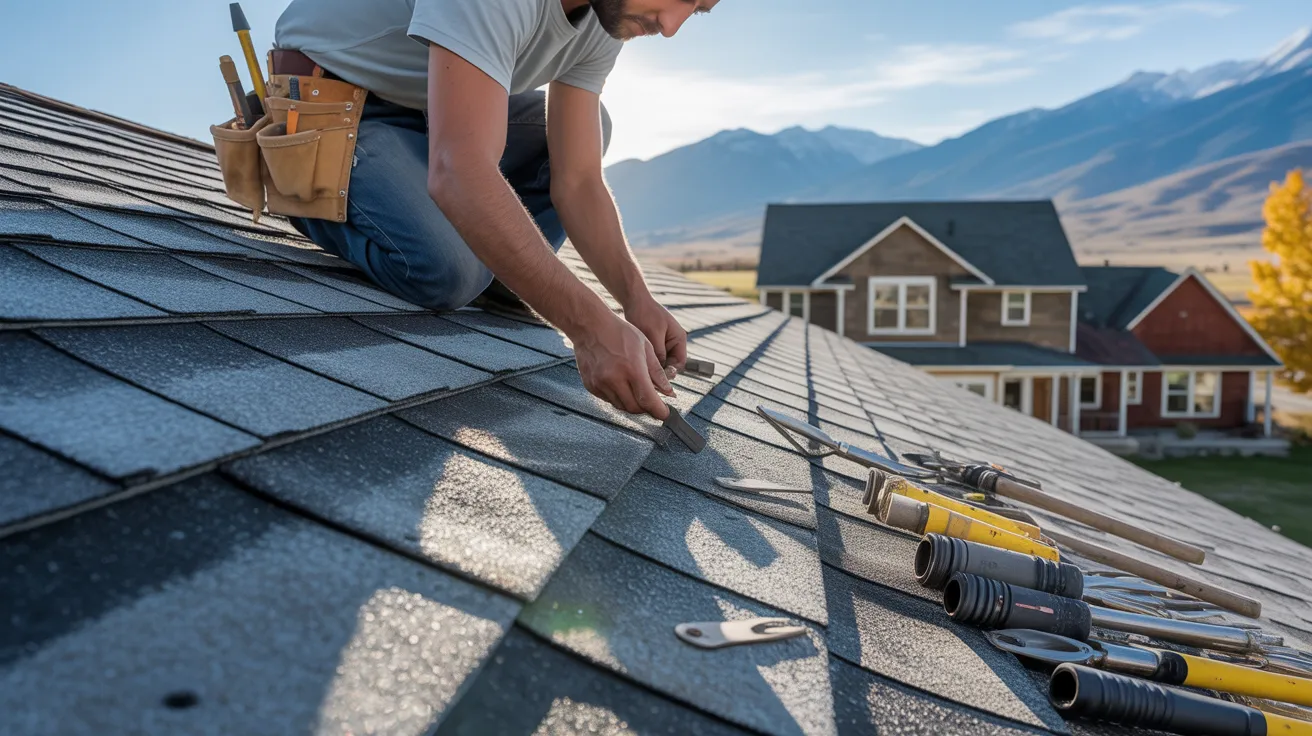
For Great Falls, roofing needs to endure strong ultraviolet, powerful gusts, snow loads, and freeze-thaw stress. Metal roof materials delivers superior performance versus asphalt shingles through preventing impact, fire, uplift, and weather degradation, and sheds snow much faster. Check for cracked shingles, flashing gaps, moisture entry, granule deterioration, and areas that sag in the aftermath of storms. An experienced roofer in your area will review decking, underlayment, and ventilation, analyze damage from storms, and recommend repair or replacement considering lasting performance.
Important Information
- Roofs in Great Falls need to resist extreme sun exposure, wind stress, snow loads, and freeze–thaw cycles leading to speed up leaks and material breakdown.
- Metal roofing lasts between 40 and 70 years, handles wind forces, fire, and impact damage better than asphalt shingles, and moves snow more efficiently.
- Asphalt shingles cost less upfront dollars yet degrade quicker often, suffering from curling, cracking, plus granule loss during Great Falls seasonal patterns.
- Red flags feature cracked shingles, loose flashing, corroded valleys, ceiling stains, condensation buildup, plus storm-related damage across multiple roof slopes.
- Roofing experts in Great Falls perform inspections, leak diagnostics, storm repairs, emergency tarping, and skilled metal roof installation featuring correct underlayment and flashing.
How Great Falls Conditions Affects Roof Performance
Because Great Falls sees strong sunlight, wind stress, hail, snow loads, and fast temperature fluctuations, your roof endures year-round stress that could cut its lifespan. UV rays removes moisture from roofing materials, weakens sealant materials, and speeds up wear. High wind separates margins, forces precipitation beneath unprotected areas, and weakens flashing surrounding roof openings.
Weight from snow place weight, while ice blockages contain moisture at eaves and increase leaking potential. Freeze and thaw cycles enlarge tiny cracks, open seams, and degrade underlayment materials. Hail tends to bruise protective surfaces, damage protective films, and uncover substrate materials to water intrusion. You also face microclimate effects: south-facing sections get hotter more quickly, shadowed sections keep damp longer periods, and wind-exposed sections weather harder. Routine inspections assist you spot weather damage soon, protect drainage routes and lengthen service life across extreme temperature swings.
Metal Roofing versus Shingles in Great Falls
Comparing metal roofing with asphalt shingles in Great Falls, your decision often copyrights on weather resistance, lifespan, maintenance, and long-term cost. Metal roofing systems perform better against impact, fire, and wind than shingled surfaces, and they tend to endure 40 to 70 years as opposed to 15 to 30.
You'll usually invest more initially for metal roofing, but you may change out it less often and perform fewer maintenance tasks. Shingles price out less initially and provide simpler spot fixes, but they can curl, crack, or lose granules faster. Metal also supports better snow shedding, which may minimize accumulation when correctly installed with guards. If you're planning solar integration, metal roofing typically offers simpler mounting alternatives and reduced holes and penetrations. Your best choice relies on financial considerations, how long you plan to own the property, and how much maintenance you're able to manage.
Why Metal Roofing Operates in Montana
Engineered for thermal swings, brisk gusts, copious snow, and intense UV rays, metal roof systems operates efficiently in Montana's brutal climate. You get a system that handles heat changes, rapidly evacuates water, and ensures foundation strength during seasonal freezing and thawing. Interlocking metal plates, veiled hardware, and modern protective coatings reduce wind uplift, metal corrosion, and UV damage
You will benefit greatly from smooth snow shedding, which decreases roof stress from snow and guards the roof frame. Inasmuch as metal roofing sends back the sun's energy, it can reduce heat building in the attic during summer dry spells. Low water absorption levels aid roof reliability during winter weather conditions. Metal roof lifespan proves vital in the Montana area, since ongoing climatic pressures diminish inferior roofing products. By implementing proper underlayment, suitable ventilation, and competent installation, your roof maintains durability, energy efficiency, and serviceability for many years ahead requiring virtually no upkeep
Warning Signs of Roof Needs Repair
Recognizing roof defects in good time stops from happening damage to the building, water intrusion, and substantial replacement expenses. Scan for shingle cracks, loose flashing, visible metal fasteners, oxidized valleys, and deteriorated caulking around vents, skylights, and chimney areas. Throughout the home, watch roof discoloration, moist insulation materials, mold presence, or light coming in through the roof system
Post-storm, search for dents from impact, shifted sections, and missing granules in gutters. Loss of granule particles aids in finding damaged asphalt shingles before water gets through the underlayment. Insufficient ventilation in the attic also brings about alarm indicators: too much heat, frost formation, water vapor, and shingles curling early. If electric bills rise without reason, excess humidity and heat could be compromising the roof.
Request repairs should you notice dipping spots, repeated drips, or unstable metal attachments. Speedy correction shields decking, insulating material, and finished spaces.
Roof Replacement When It Makes More Sense
You should consider replacing your roof when storm damage affects extensive areas, damages key structural parts, or exceeds practical repair limits. If you're constantly spending for recurring leaks, patch failures, or repeated maintenance visits, a new roof typically gives superior long-term savings. An older roof system near or past its design life is unable to protect your home effectively, despite individual repairs can appear possible.
Extensive Storm Damage
When a severe storm damages extensive areas of your roof, a full replacement often makes more financial and structural sense than multiple repairs. After hail aftermath, wind damage, or punctures from fallen branches, you may have compromised decking, saturated underlayment, and extensive shingle damage that repairs can't reliably isolate.
You need a comprehensive evaluation, not temporary fixes. Weather damage often damages seal integrity, weakens fastening systems, and forms hidden moisture paths near valleys, vents, and flashing. Following debris removal, standing water can continue damaging insulation and sheathing underneath. If deterioration affects several slopes or compromises the roofing system, replacement provides uniform protection, regulatory compliance, and manufacturer-backed performance. It also allows you upgrade underlayment, ventilation, and impact-resistant materials so your next severe storm won't exploit the same vulnerabilities again.
Frequent Repair Costs
Frequently, repeated leak repairs, shingle replacements, and flashing fixes cost more over time compared to a planned roof replacement. When you're calling for maintenance every season, you're likely trapped in cost cycles that deplete your finances without correcting deck, ventilation, or underlayment problems. Minor repairs can restore temporary function, though they seldom deliver comprehensive performance.
You should evaluate annual repair totals versus replacement costs, labor escalation, and material matching problems. Multiple repairs also generate coverage gaps, particularly when several contractors manage separate sections or different product lines. Those gaps can leave you covering costs yourself when new failures emerge around earlier repairs. A complete replacement gives you one integrated assembly, predictable installation standards, and streamlined maintenance schedules. Often, that refresh lowers overall roofing expenses and minimizes operational disruption markedly.
Aging Roofing Systems
As roof systems age, materials become less data flexible, fasteners loosen, sealants fail, and drainage paths degrade, which increases leak risk and diminishes wind and weather protection. You'll often see cracked shingles, torn membranes, corrosion at penetrations, and recurring leaks after storms
New roof installation proves beneficial when inspections uncover decking moisture, substantial granule erosion, insulation damage, or inadequate ventilation balance that worsens thermal and moisture stress. Also evaluate code modernization, attachment integrity, and new material compatibility. Full replacement systems enable correction of hidden problems, strengthen drainage performance, and implement rated configurations appropriate for modern conditions. Higher initial costs apply, although you decrease emergency calls, water intrusion damage reduces, and lifecycle cost benefits accumulate.
Great Falls Roofers' Storm Damage Response
Severe storms potentially damage roof systems within moments, so Great Falls roof experts undertake damage evaluation using rapid, structured inspection of shingles, flashing, underlayment, decking, and metal panels to detect apparent failures and covert moisture routes.
Following the storm assessment, you get a documented scope of damage, moisture intrusion, and structural risk. Roofers perform debris removal initially so branches, hail fragments, and loose materials don't keep abrading surfaces or blocking drainage paths. They tarp exposed sections, seal punctures, replace lifted shingles, secure flashing components, and check fastener integrity on metal sections. Should moisture penetrate decking, they will assess for water saturation, layer separation, and mold risk areas before approving repairs. You receive photographic evidence and dimensional data that support insurance claims and help prioritize urgent stabilization over cosmetic fixes.
What Happens During Metal Roof Installation
Starting from tear-off through final trim, metal roof installation maintains essential ordering to protect structures and sustaining roofing efficiency. Old roofing elimination happens initially, structural review occurs, and damaged decking areas get refreshed. Pitch verification, measurement confirmation, ventilation path validation, and fastener location confirmation comes next for proper alignment.
Then, perimeter trim, water and ice shields, and underlayment choice are decided by climate conditions, angle, and standards. Installation begins from a square point, clips and fasteners conforming to factory specifications. Using locked seam systems, seam legs are locked and stay straight controlling moisture passage and temperature-related growth. To finish, flashing work, ridge installation, transition sealing, and quality inspection verify weather-tight performance and aesthetic results.
Expert Great Falls Roofing Options
Whether you need a minor repair or a complete roof replacement, Great Falls roof professionals typically conduct inspections, leak detection, storm damage restoration, reroofing, new roof setup, and preventive care for both both residential and business properties.
You can also hire them for flashing repairs, ventilation repairs, gutter installation, skylight repairs, and ice dam removal. If wind or hail damages structural decking, they'll perform temporary tarping to reduce water penetration before permanent repairs. For aging systems, they review underlayment, fastening systems, penetrations, and drainage systems, then suggest targeted repairs or complete overhaul if appropriate. Many crews service asphalt shingles, metal standing seam, low-slope roofing, and coating systems. They might photograph damage for insurance documentation and schedule maintenance visits to identify sealant failure, rust, loose panels, and clogged roof valleys so these issues shorten your roof longevity.
Finding the Right professional Roofer
When selecting a Great Falls roofing professional, you should ensure that they have appropriate certification and maintain active workers' compensation and liability insurance. Subsequently, compare the roofing products they propose so you are able to compare product performance, lifespan, and price with your job. Additionally consider their experience in the area, given that companies knowledgeable about Great Falls weather patterns and building codes often produce superior results.
Verify Licensing And Insurance
Before you finalize any contract in Great Falls, confirm that the roofing professional holds the required Montana license and maintains both. Never rely on verbal assurances. Demand the contractor's licensing information, business title, and insurance information, then execute license verification by checking state databases and local records. Confirm the firm name across all record.
To confirm policy verification, request that certificates be provided provided directly by the insurance copyright or broker. Verify policy identification, dates of coverage, coverage limits, and exclusions. Ensure that workers' compensation provides coverage for every employee working
Compare roofing materials
Since Great Falls roofs endure hail, strong winds, heavy snow, and dramatic temperature changes, you should evaluate materials based on durability, lifespan, upkeep requirements, and overall installation expenses—not simply the quote cost.
Asphalt shingles generally deliver the most affordable installation price, though impact resistance ratings, wind warranties, and granule deterioration prove important. Metal carries higher upfront costs, but it sloughs off snow, resists fire, and provides better thermal performance via reflective finishes. Synthetic slate and composite shingles reduce weight loads while enhancing impact durability, although material quality differs. Request product specifications regarding Class 4 impact ratings, wind uplift, ice-dam performance, and anticipated longevity. You must also evaluate underlayment systems, ventilation requirements, fastening specifications, and repairability. An economical roof may prove more expensive later if it deteriorates prematurely or demands frequent storm-related maintenance and replacement.
Review regional track record
Material choice matters, and the contractor's regional track record frequently drives how well that roof operates in Great Falls. You should check the timeframe a contractor has operated in the locale and whether they've managed hail impacts, snow loads, chinook winds, and freeze-thaw damage on matching properties. Regional experience reveals if crews know ventilation practices, ice dam management, flashing protocols, and Cascade County standards.
Obtain locations from past work, then inspect construction quality from ground. Look at customer reviews for recurring themes: scheduling, cleanup, warranty response, and change-order accuracy. You should verify material vendor networks and code knowledge, given that established local roofers source materials without delay and resolve inspections with fewer delays. A contractor who has proven Great Falls experience lessens installation hazards and strengthens roof longevity for your place.
Standard Installation FAQs
Can Great Falls contractors offer payment opportunities for updated roof work?
Yes, many Great Falls contractors offer financing options for new roofs. You typically choose payment plans from the contractor or a third-party lender. Expect conditions determined by project cost, loan length, and your credit profile. Most lenders need credit checks before funding, and some offer special offers for eligible applicants. You need to compare interest rates, costs, initial payment obligations, and early repayment conditions before signing any roofing financing agreement.
Do roofing estimates in Great Falls usually come at no cost?
Yes, roofing estimates in Great Falls are commonly without charge, especially when contractors provide free inspections for repairs or replacements. You should expect a formal estimate that outlines materials, labor, timeline, and cost breakdowns. Some companies may bill for detailed reports, specialty diagnostics, or insurance documentation. Before you schedule, ask what the estimate covers, whether inspections are complimentary, and if added fees apply to complex roof conditions or access.
How long do roofing warranties usually last in Great Falls?
Like a protective shield for your roof, warranties in Great Falls usually span 20–50 years for Manufacturer warranties, depending on material and product tier. You'll often get Labor warranties for 2–10 years, though some contractors offer longer coverage. You should check what's prorated, transferable, and excluded, especially for wind, ventilation, and installation errors. Check the fine print so you recognize exactly what protection you're actually buying before signing.
Is it possible to schedule roof work during winter in Great Falls?
Yes, you can schedule roof work during winter in Great Falls, but you'll must have weather contingencies. You can complete Winter repairs with safety when crews track temperature, wind, ice, and material handling limits. You should anticipate delays during storms or extreme cold. Clearing snow often comes first so professionals can reach decking, identify leaks, and secure flashing. You'll experience better results when you arrange early and be flexible with scheduling windows.
Do roofing companies in Great Falls assist with insurance paperwork?
Yes, many roofing firms in Great Falls aid you with insurance paperwork after damage from storms or impacts. You'll often receive insurance help through documented inspections, photo documentation, scope summaries, and estimate comparisons. They may also support claim coordination by meeting adjusters, specifying repair quantities, and matching line items to policy coverage. You should still examine your claim carefully, because your insurance copyright authorizes payment terms, depreciation, deductibles, and final settlement amounts.
Summary
In Great Falls, your roofing system has to handle wind, snow, hail, and fast temperature changes without breaking. That's why finding the right roofer matters. Metal roofs stands out because it can survive 40–70 years—often 2 to 3 times longer than asphalt-based shingles. When you move forward early on repairs or replacement, you secure your home, lower long-term costs, and improve performance. Work with Great Falls roofing contractors who understand local climate and place systems designed to persist.